Undercover Michelin Inspectors Confirm Expensive Bordeaux Is Good
Nine châteaux receive guide's highest distinction of three grapes.
Concluding a covert evaluation effort described internally as its most ambitious undertaking since it began rating restaurants, the Michelin Guide announced its first Bordeaux wine selection this week, awarding its highest distinction of three grapes to nine of the region’s most heavily insured châteaux, sources confirmed. The selection covers 83 estates across the Médoc, Saint-Émilion, Pomerol and Sauternes, and reflects what the guide called 18 months of anonymous fieldwork by inspectors trained to evaluate agronomy, technical mastery, identity, balance and consistency without ever revealing that they are doing so.
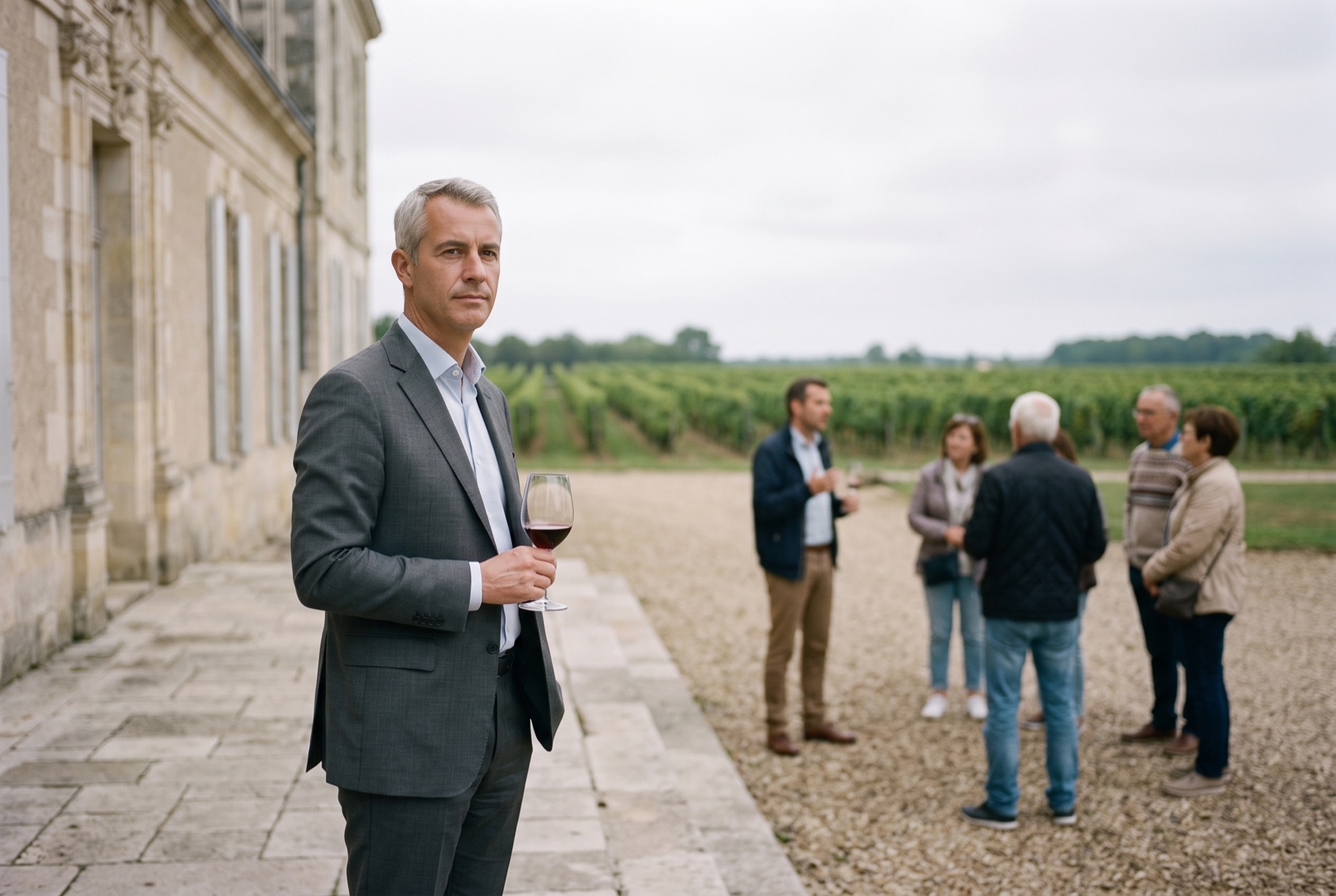
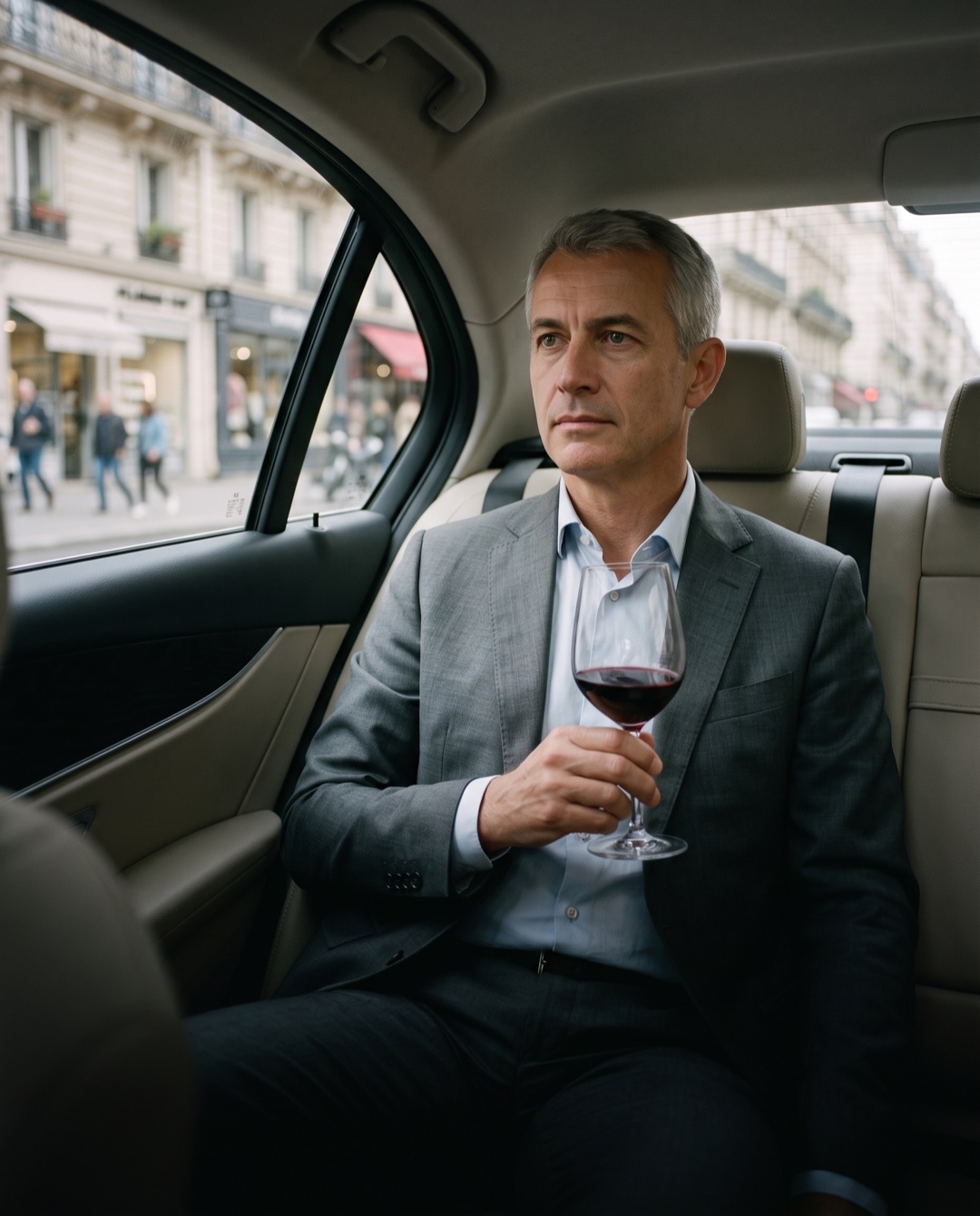
One inspector, who spoke on condition of anonymity, then on the further condition that the interview be conducted in a moving car, described the assignment as the most demanding of his career. “For a year and a half I posed as an ordinary man who buys first-growth Bordeaux,” he said. “I toured the châteaux as a tourist. I asked the questions a tourist would ask. At no point did anyone suspect that I was forming an opinion. Then, when the moment was right, we published the opinion. The opinion is that the wine is very good. Some of it,” he added, lowering his voice, “is excellent.” He then exited the vehicle at a red light.
The nine three-grape estates include several producers whose wines have sold for more than $1,000 a bottle since before the automobile, a result Michelin said validated its methodology. Asked whether an 18-month covert operation was necessary to reach conclusions printed on the back of any first-growth price list, a spokesperson said the findings could not have been anticipated, and pointed to the one-grape tier, where inspectors identified 37 additional estates that are merely well known.
In Bordeaux, the selection was received with the region’s traditional restraint. “We do not make wine for medals,” said the director of one Pauillac estate, standing beneath a banner being installed.
At press time, inspectors had been redeployed to Napa Valley, where several men asking a tourist’s questions were already forming opinions.